
Customer Journey: How to better support your customers
From initial interest to a long-term relationship: LOGIN Software helps you connect touchpoints and provide the right support to your customers at every stage.
Your customers are moving forward. Do your processes keep pace?
An inquiry arrives via the website, a consultation takes place over the phone, and subsequently, the service team takes over. For your customers, all of this is part of a single, cohesive experience. Within the company, however, information often fails to flow across departments: the sales team may be unaware of previous interactions, the service team has to ask for information all over again, and crucial next steps fall through the cracks. Such gaps make the customer journey unnecessarily arduous.
Only when customer data, tasks, and processes are integrated can individual touchpoints evolve into a reliable, ongoing engagement. Your employees will know exactly what has already transpired and what needs to be done next.
Customer Journey – What is it?
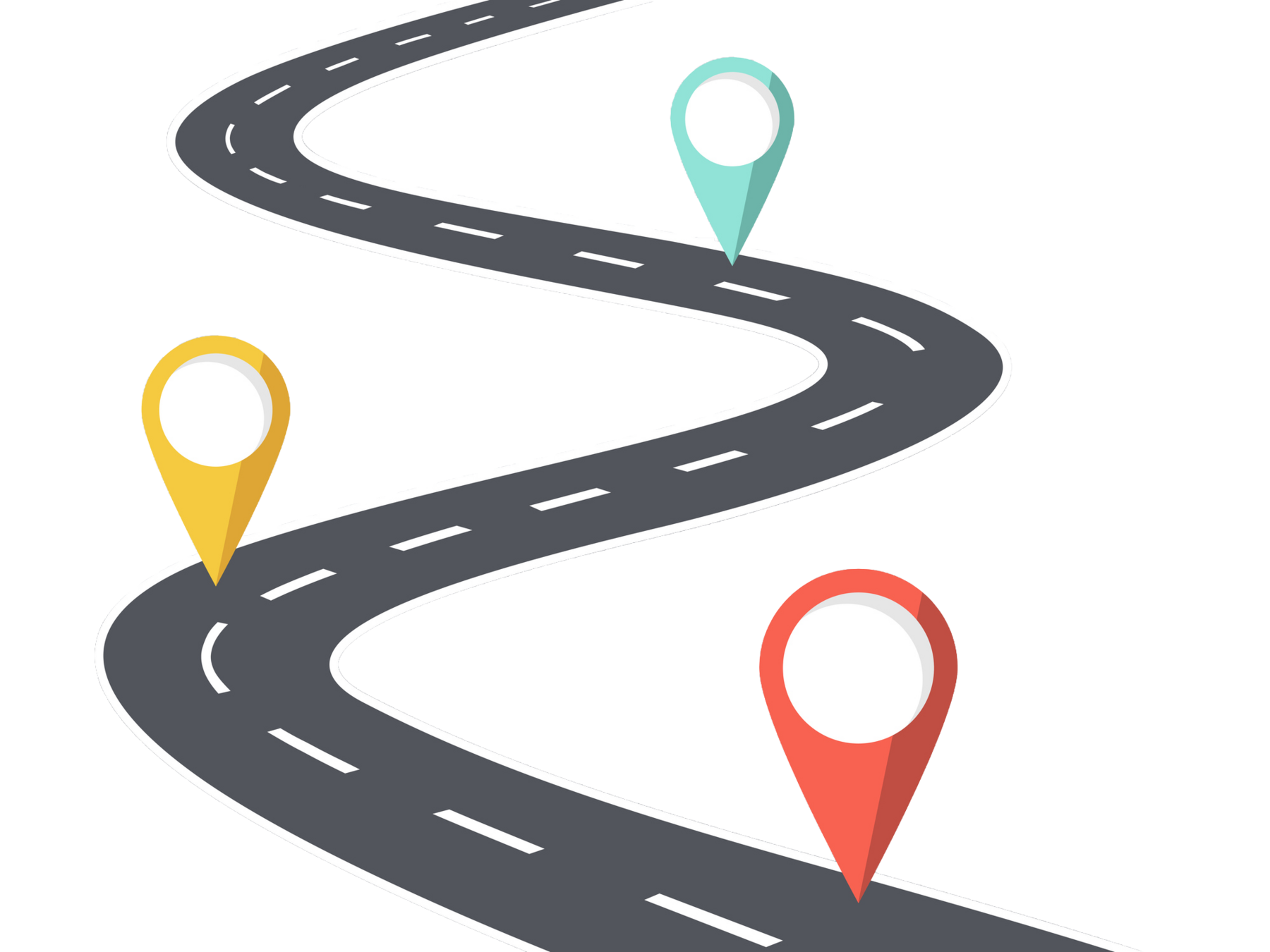
The customer journey describes the path a customer takes with your company—from the initial point of contact and the purchasing decision, through to ongoing support and future engagements. This encompasses all touchpoints, such as your website, newsletters, consultations, service inquiries, or relevant follow-up offers.
Professional customer journey management allows you to understand these connections and align your processes accordingly. In doing so, you lay the foundation for a customer experience that transcends individual departments and channels.
The Stages of the Customer Journey
Every customer journey is different. Nevertheless, it is possible to identify typical phases during which your customers' questions and expectations evolve. In a B2B context, in particular, multiple individuals may be involved in the decision-making process, and certain stages may be revisited several times.
Attention
A need arises, and your company is perceived as a potential provider. Your content helps to spark initial interest.
Orientation
Interested parties research, compare, and evaluate potential solutions. Practical examples, information, and consultation provide them with support in this process.
Decision
The focus is on specific requirements, offers, and questions. A well-coordinated sales process is what counts.
Introduction
Clear points of contact, structured onboarding, and appropriate support make it easier for your customers to get started.
Customer Loyalty
Reliable service and relevant insights create a strong foundation for future assignments and recommendations.
What a good customer journey requires
To effectively support customers at every stage, information, people, and processes must work together. Four fundamentals are crucial in this regard.
Are your CRM requirements increasing? No problem!
Our solutions are scalable, updatable, and designed with foresight. Contact our experts if you have any questions. We're happy to help.

Frank Tjaben
Head of Marketing & Sales
frank.tjaben@login-software.net
Tel.: +49 89 2020447 25
 login-software.net

Michael Ruzek
Managing Director
michael.ruzek@login-software.net
Tel.: +43 1 5865897 12

Florian Ruzek
Head of Operations
florian.ruzek@login-software.net
Tel.: +43 664 82025 00
Customer journey management with Sugar

Sugar creates a common foundation for managing your customer relationships. Contact details, conversation notes, sales opportunities, and service requests are all brought together within the CRM, providing a basis for organizing subsequent steps.
Configured workflows can support recurring processes—for instance, by triggering follow-up tasks or notifications. Requirements and agreements remain documented in relation to the client, while the tasks for onboarding are scheduled. This facilitates the transition from sales to account management and ensures that progress remains transparent for all parties involved.
Shape your customer journey with LOGIN
Together, we examine the critical touchpoints in your customer journey: Where do processes stall? Which steps are missing? And where do your customers need more support?
Based on this, we develop concrete workflows and implement them in Sugar—defining the necessary tasks, responsibilities, and automated processes. We provide support with configuration, the integration of required systems, and the rollout to your team.
We begin with a clearly defined process and refine the solution further as you gain practical experience.

Frequently Asked Questions About Customer Journey
What is the difference between customer journey and customer experience?
The customer journey describes a customer’s path with your company and the individual touchpoints along the way. Customer experience refers to how the customer perceives these interactions. A prompt response, for example, can have a positive effect, whereas being asked again for information that has already been provided can be frustrating.
What distinguishes customer journey mapping from customer journey management?
Customer journey mapping involves visualizing the customer’s path: identifying touchpoints, understanding customer expectations, and pinpointing where difficulties arise. Customer journey management builds upon this; it entails improving processes, defining responsibilities, and regularly evaluating whether these changes are effective.
How can a B2B customer journey be mapped out?
In B2B, multiple individuals with varying requirements are often involved in a purchasing decision. Therefore, you should consider both the progression of the business relationship and the specific contacts involved. A customer journey map helps to visualize information needs, decision-making paths, and critical handoff points.
Does the entire customer journey need to be automated?
No. Automation is particularly useful for repetitive tasks, such as sending reminders or internal notifications. Consultations, complex inquiries, and sensitive service matters often require personal interaction. The key is ensuring that automated steps and personal support work well together.
How can you tell whether the customer journey is improving?
This depends on the process in question. For inquiries, response times and the number of unanswered requests may be relevant; for onboarding, the time it takes to reach the point of productive use is a key metric. Supplement such indicators with customer feedback: faster processes alone do not necessarily mean that customers feel well supported.
Login Software: Our Clients


