
Analytical CRM: Turn data into better decisions
Analytical CRM forms the foundation for data-driven reporting. It enables you to turn your customer data into targeted decisions for sales, marketing, and service.
Lots of numbers. But which ones actually help you?
Sales figures, customer interactions, campaign results—there is rarely a shortage of data. Yet, in day-to-day operations, it often remains unclear which customers offer the most potential, why proposals fail to convert, or which initiatives are truly effective. The information exists, but meaningful analysis is either missing or must be painstakingly compiled by hand.
As a result, every analysis consumes valuable time, while decisions continue to rely on past experience and gut feeling. Analytical CRM helps you identify patterns and derive concrete, actionable insights from your customer data for sales, marketing, and service.
What is analytical CRM?
Your CRM collects valuable information every day—regarding customers, inquiries, offers, and purchasing decisions. Analytical CRM systematically evaluates this data, revealing underlying patterns and connections. This allows you to identify which customer segments are particularly profitable, where new sales opportunities arise, and at what points customers might be dropping off.
CRM reports and dashboards present these findings in a clear, accessible format. Sales, marketing, and service teams can use them to track trends, assess the effectiveness of their initiatives, and plan their next steps with greater precision. The information you collect is transformed into actionable knowledge that supports your day-to-day operations.
How does analytical CRM support your daily work routine?
Analytical CRM helps you answer the right questions: Where is the next customer interaction most worthwhile? Which campaign generates qualified inquiries? Where does the service department need support? This enables your teams to set priorities and deploy their resources more effectively.
Are your CRM requirements increasing? No problem!
Our solutions are scalable, updatable, and designed with foresight. Contact our experts if you have any questions. We're happy to help.

Frank Tjaben
Head of Marketing & Sales
frank.tjaben@login-software.net
Tel.: +49 89 2020447 25
 login-software.net

Michael Ruzek
Managing Director
michael.ruzek@login-software.net
Tel.: +43 1 5865897 12

Florian Ruzek
Head of Operations
florian.ruzek@login-software.net
Tel.: +43 664 82025 00
CRM Reporting: Keeping an eye on the right metrics
A good CRM report answers specific questions. How many quotes turn into orders? Which campaigns generate qualified leads? How quickly are service cases resolved? Dashboards make this information visible as part of everyday operations. Sales teams can track open opportunities and win rates, marketing can evaluate campaign results, and service teams can monitor inquiries and resolution times. Management gains an overview of key developments.
Those who make regular use of such analyses can identify changes sooner and take targeted corrective action.
Analytical CRM with Sugar

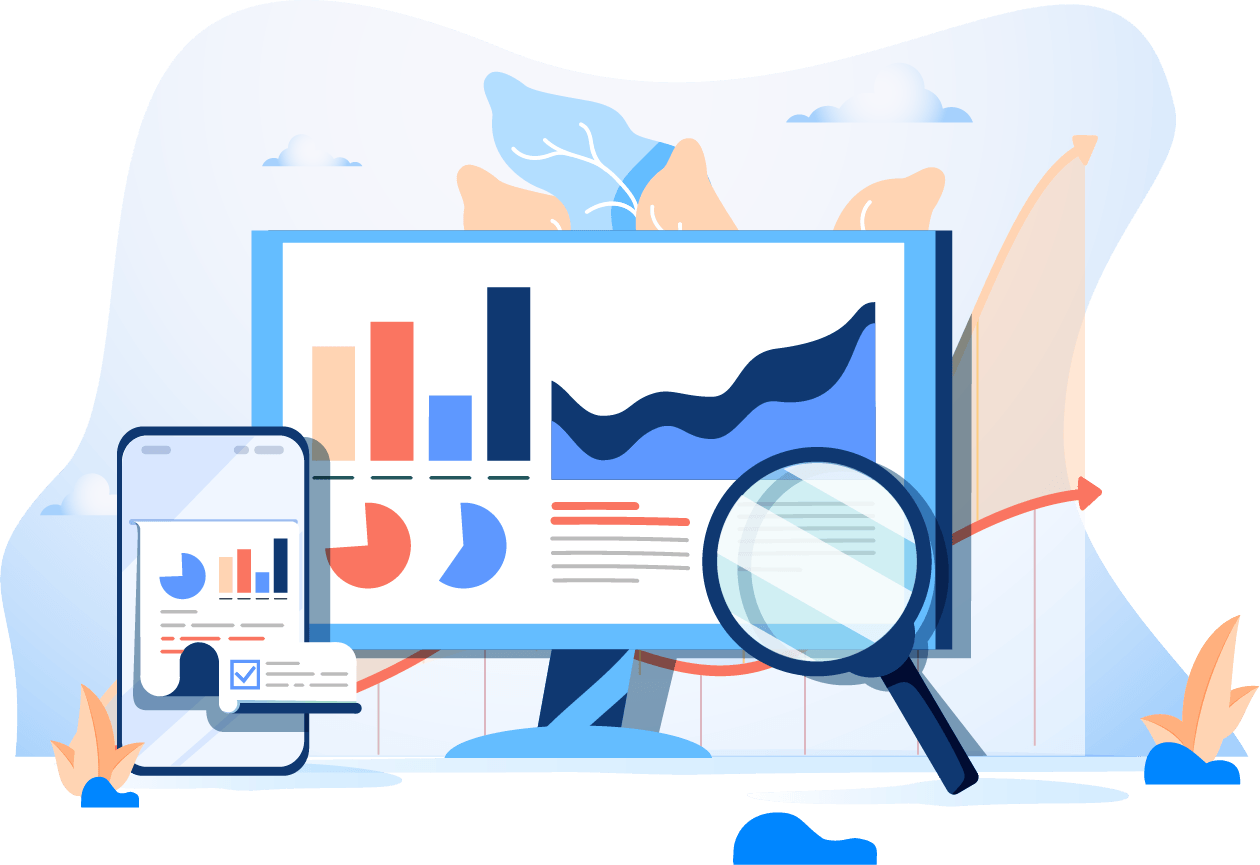
With Sugar, you can evaluate customer data directly within the CRM and display it in reports and dashboards. For example, you can analyze sales opportunities, campaign results, or service cases without having to re-gather the information for every single analysis.
Your teams gain insights tailored to their specific tasks—ranging from high-level overviews of key performance indicators to detailed examinations of individual records. Filters allow you to narrow down results by time period, customer group, or the person responsible, enabling a more precise investigation of trends and developments.
Analytical CRM with LOGIN: Reporting that suits your company
LOGIN helps you translate your requirements into meaningful reports and clear, intuitive dashboards. Together, we determine which analyses are relevant to your goals and how they should be utilized in your day-to-day operations.
Building on this, and acting as a Sugar Partner, we configure your CRM system to align with your specific processes, existing data, and the distinct requirements of your various departments. Where information from other systems is needed, we evaluate the best integration options. The result is a CRM reporting framework that provides answers to specific questions and supports your decision-making.

Frequently Asked Questions About Analytical CRM
What is the difference between analytical and operational CRM?
Operational CRM supports daily tasks such as handling inquiries, preparing quotes, or managing customer relations. Analytical CRM evaluates the data generated during these processes to identify patterns, potential opportunities, and areas for improvement. The two areas complement each other: insights gained from analysis help to make operational processes more targeted and effective.
What data is required for analytical CRM?
This depends on the questions you wish to answer. For sales analysis, for example, quotes, sales opportunities, and closed deals are relevant. In marketing, you might evaluate campaign responses and lead sources, while in service, you could look at inquiries and processing times. To ensure the results are meaningful, it is crucial that the data is complete, up-to-date, and maintained in a consistent manner.
Can analytical CRM also evaluate ERP data?
Yes, ERP data can be made available for CRM analysis via a suitable interface. This includes, for example, order histories, sales figures, or purchased products. When combined with information from the CRM, this creates a more comprehensive picture of your customers. The specific data that can be incorporated depends on the systems in use and how they are integrated.
Does analytical CRM make sense for small and medium-sized enterprises?
Small and medium-sized enterprises also benefit from gaining a better understanding of their customer potential and business trends. To get started, a few targeted analyses—such as those focusing on outstanding proposals, conversion rates, or recurring service requests—are often sufficient. The scope should align with your objectives and the data you have available.
How can CRM reporting be developed step by step?
Begin with specific questions derived from your day-to-day work and determine the key metrics required to address them. Next, assess your data foundation and set up initial reports or dashboards. Once these are in regular use, you can incorporate further analyses. Standardized definitions ensure that key metrics remain comparable across different teams.